Community Chest of Korea
CCK is a specialized, statutory fundraising and distribution organization, established on the principles of community-based giving, working with a wide range of stakeholders to drive sustainable social change.
Founded under the Community Chest of Korea Act of 1998, CCK
delivers hope to neighbors in need through the voluntary
participation of citizens
and allocates funds raised through its 17 city and provincial
branches to lead localized welfare initiatives across the country.
The purpose of this Act is to advance social welfare by encouraging citizens to understand and participate in social welfare activities through collaborative fundraising efforts by Community Chest of Korea
and by efficiently and equitably managing and operating financial resources generated through voluntary contributions from citizens.
Symbol of CCK
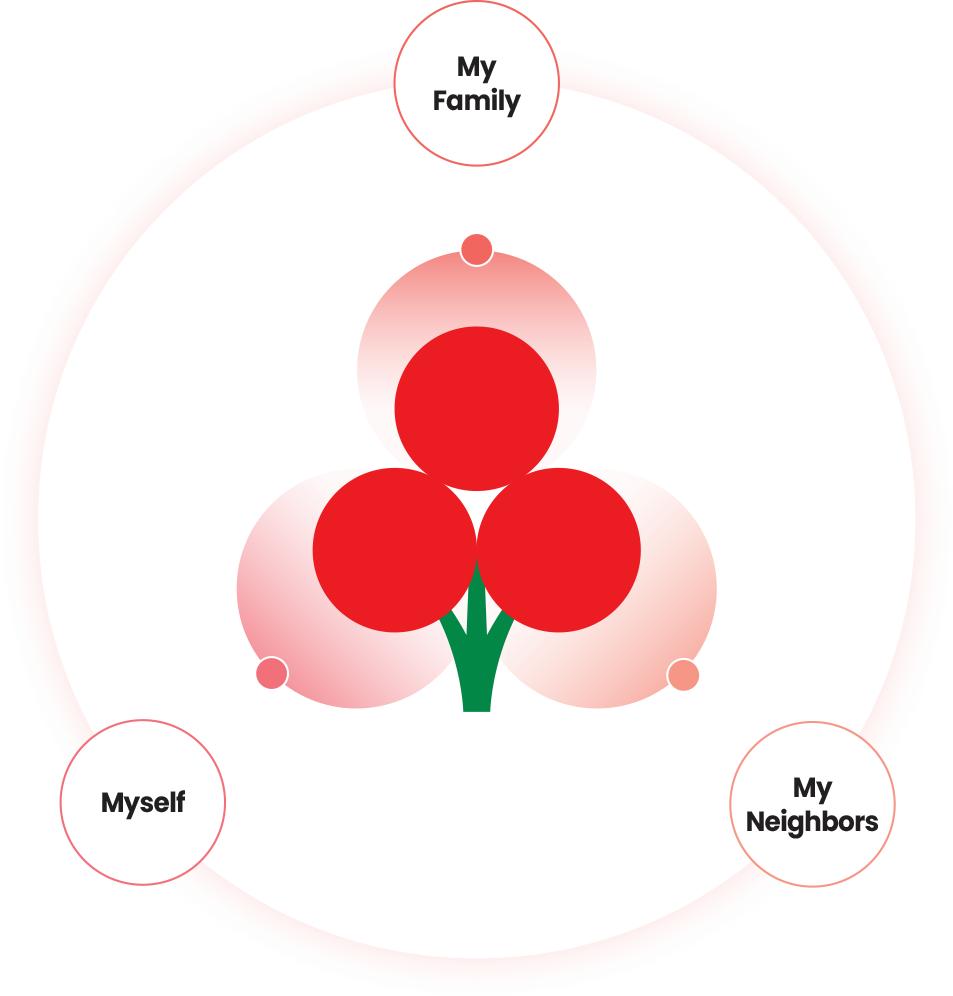
The “Fruit of Love” consists of three red fruits, representing
“Myself, My Family, and My Neighbors,”
with connecting stems symbolizing the value of community.
The red color represents kindness, and the connected shape conveys the spirit of giving and solidarity.
As the representative symbol of CCK, the Fruit of Love embodies the spirit of love for one's neighbors in today's society.
Asian Guelder Rose and the Fruit of Love
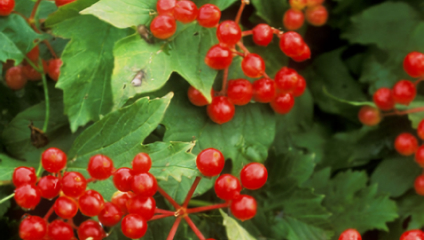
The shape of the Fruit of Love is inspired by the mountain
berries that grow naturally in the Korean mountains.
Since the early 1970s, the Neighborhood Support Campaign
Center under the Ministry of Health and Welfare has used it as
a symbol in fundraising efforts for disaster relief and
underprivileged communities.
In February 2003, the Korea Forest Service selected the Asian
Guelder Rose as its “Tree of the Month,” making a splash by
referencing the Fruit of Love. The Korea Forest Service
explained, “Just as the Fruit of Love symbolizes
the unity of self, family, and neighbors through love, the red
berries of the Asian Guelder Rose tree,
hanging amidst the winter snow, represent the warm hearts that
practice neighborly love during the cold season.”
Since then, the tree has been remembered by the public as one
that closely resembles the Fruit of Love.